Reading Journalist Intent: What Media Coverage Patterns Reveal Before Stories Break
Journalists telegraph stories before they publish. The patterns are visible to teams that know what to look for.
SYLQ Labs Team
Media Intelligence Analyst
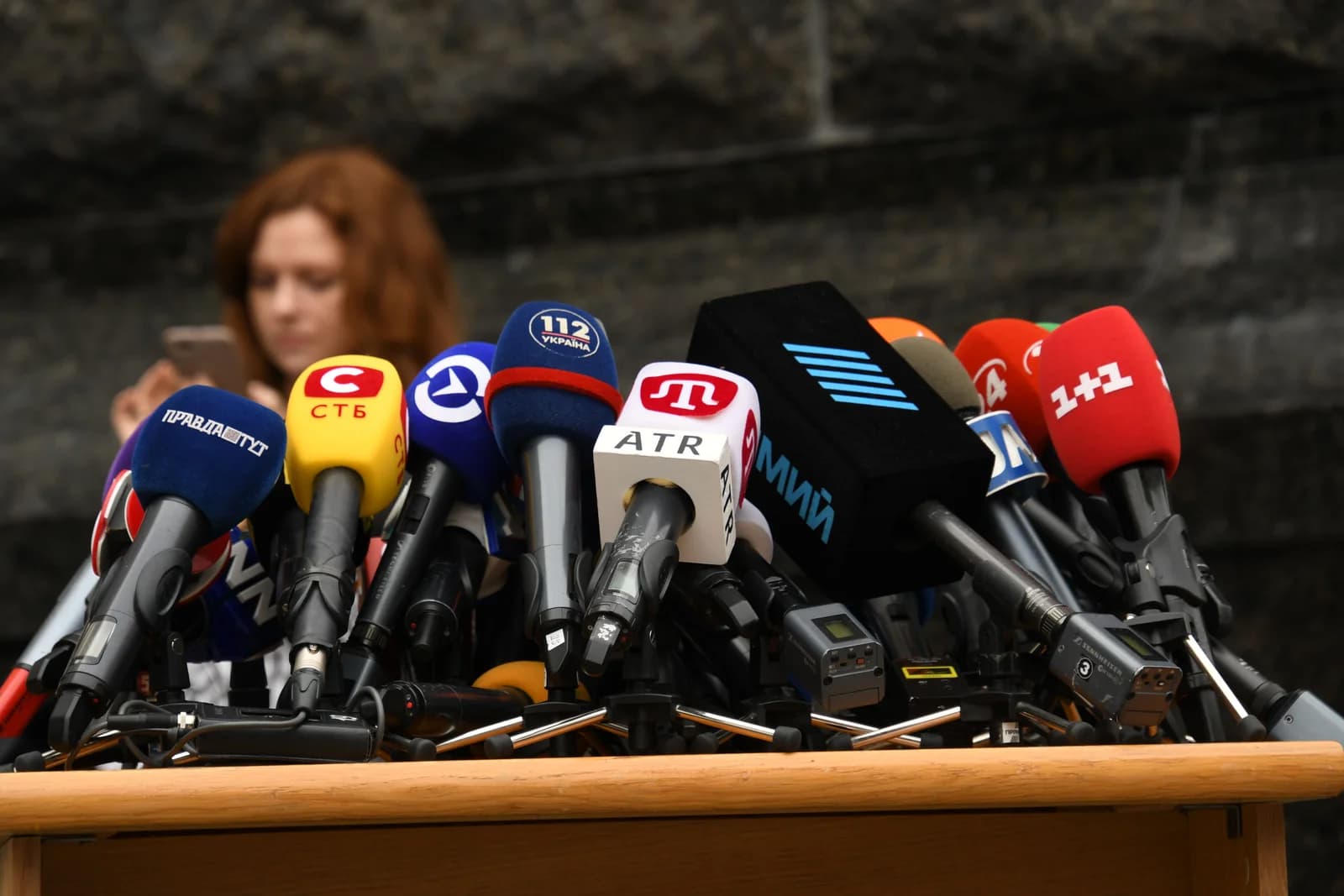
Experienced business journalists rarely publish stories cold. They research, they ask questions, they test angles with sources, and they file stories when they have enough to stand behind the piece.
That process creates patterns, visible in coverage before the story lands, that communications teams can read if they know what to look for.
The Five Pre-Publication Signals
1. The Background Enquiry
A journalist calls or emails with vague questions, "just getting context on the sector" or "working on a broader trend piece." No specific angle disclosed. Response requested off the record.
This is often the earliest signal. The journalist is building a foundation. The specific company angle may not be decided yet.
What to do: Respond helpfully without over-sharing. Note the journalist, the publication, and the general theme. Flag internally if the theme touches a sensitive area.
2. The Specific Question Cluster
Within a two-week window, two or more journalists from different publications ask similar specific questions about the same aspect of your company, governance, a product issue, a leadership matter, a financial metric.
This is no longer background research. A story is forming, possibly across multiple outlets simultaneously.
What to do: Escalate internally. Prepare holding statements. Identify whether this is driven by a tip, a public filing, or a competitor narrative. Brief leadership before the story publishes, not after.
3. The Sector Trend Piece Setup
A journalist publishes a sector trend story that does not name your company but describes conditions that apply to you, "real estate developers face liquidity pressures" or "aviation sector grapples with capacity constraints."
Your company is not named. But the frame is being established. Company-specific stories that apply this frame often follow within 2–4 weeks.
What to do: Monitor for follow-up stories applying the sector frame to your company specifically. Prepare proactive outreach to key journalists with your counter-narrative before they file the company-specific version.
4. The Analyst or Source Quote
A story cites an anonymous source or an analyst making a claim about your company or sector. The claim may be speculative. But once published, it becomes part of the record that subsequent journalists reference.
"According to industry sources, Company X is facing..." becomes the foundation for the next story, even if the original source was unverified.
What to do: Treat analyst and source quotes as narrative events, not background noise. Assess whether the quote will be picked up and repeated. Respond if the claim is factually wrong and you can correct it on the record.
5. The Follow-Up Story
A journalist who wrote a neutral or mildly sceptical piece about your company six weeks ago publishes a follow-up. Follow-up stories almost always advance the original frame, they do not walk it back.
A follow-up is a signal that the journalist believes the story has legs and that their editor agrees.
What to do: This is the stage where proactive engagement has the highest return. A substantive, on-the-record response that gives the journalist a different angle can shift a follow-up story. Ignoring it virtually guarantees the frame advances.
Building a Journalist Intelligence Practice
PR teams that read journalist intent well maintain three habits:
Track journalist relationships by theme. Know which journalists cover your sector, what they have written about you historically, and what questions they have asked recently.
Log all inbound enquiries with theme tags. Over time, enquiry patterns reveal story formation before publication.
Review coverage weekly for frame progression. Is a journalist's framing of your company warming, cooling, or shifting topic? Frame progression across multiple stories is the clearest pre-publication signal.
What Intelligence Tools Miss
Automated monitoring captures published stories. It does not capture enquiries, background conversations, or the sector trend pieces that set up company-specific coverage.
Analyst-led intelligence that combines published coverage analysis with journalist behaviour tracking provides a materially earlier signal than monitoring alone.
The teams that consistently get ahead of stories are not luckier. They are reading patterns that are visible to anyone looking at the right frequency with the right framework.
SYLQ Labs tracks journalist behaviour and coverage patterns across Indian business press for brands and PR agencies. Request a briefing.
SYLQ Labs
Ready for intelligence that moves the needle?
Request a briefing and see how SYLQ Labs delivers media intelligence your team can actually act on.
Request Quote